
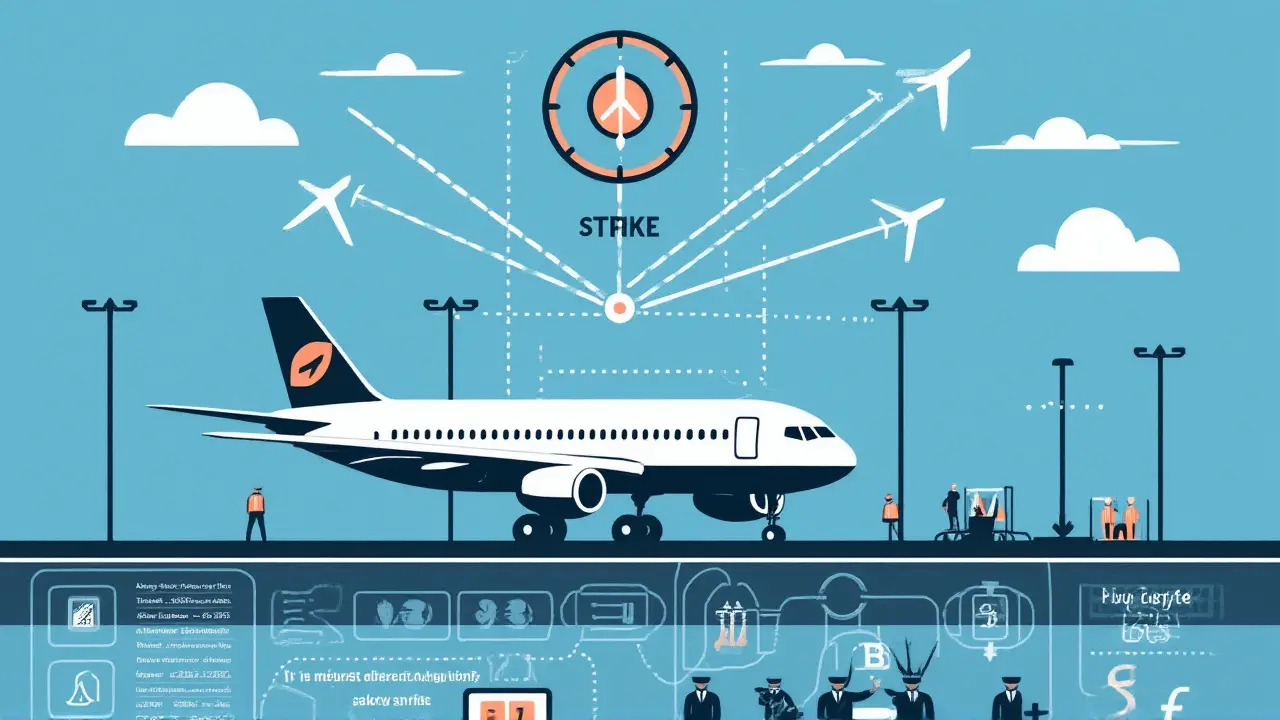
Travel plans across Europe are in shambles as Lufthansa faces a double-pronged labor assault, with flight attendants joining an ongoing pilot walkout this week. Starting April 15, 2026, the cabin crew will join the ranks of the pilots who have already been off the job since April 13, creating a logistical nightmare at Germany's busiest travel hubs. This isn't just a minor glitch in the schedule; it's a systemic shutdown affecting thousands of passengers during a critical travel window.
Here's the thing: this isn't the first time Lufthansa passengers have been left stranded this month. Just a few days ago, a 24-hour walkout on April 10 left roughly 90,000 people staring at cancellation boards during the post-Easter rush. Now, with both the cockpit and the cabin empty, the airline is fighting a losing battle to keep its planes in the air.
A Perfect Storm of Labor Unrest
The current crisis is the result of two separate but simultaneous strikes. The Independent Flight Attendants' Organization (known as UFO) announced a two-day strike for April 15 and 16, 2026. Meanwhile, the Vereinigung Cockpit (VC), the union representing pilots, launched their action on April 13, 2026. When you have both the people flying the plane and the people managing the cabin on strike, there's very little the company can do but cancel flights.
The impact is concentrated heavily at Frankfurt Airport (FRA) and Munich Airport (MUC). However, the ripple effect extends far beyond these hubs. Because flight attendants from Lufthansa CityLine are also participating, operations are grinding to a halt in Hamburg, Bremen, Stuttgart, Cologne, Düsseldorf, Berlin, and Hanover.
The numbers are staggering. Data from FlightAware shows that on April 13, 2026, approximately 900 flights were scrapped. That number dipped slightly to 555 cancellations on April 14, but with the cabin crew joining in, those figures are expected to climb again. It's a chaotic scene that has left many travelers wondering if they'll ever make it home.
Key Facts of the Disruptions
- 90,000 passengers affected by the initial April 10 strike.
- 520+ flights cancelled during the first 24-hour walkout.
- 900 flights cancelled on the first day of the pilot strike (April 13).
- 8 German cities affected by the Lufthansa CityLine cabin crew action.
The Battle Over the Bottom Line
Why is this happening now? Turns out, it's a classic clash between labor demands and corporate austerity. Joachim Vazquez Burger, the leader of the UFO union, didn't mince words, stating that the responsibility lies squarely with Lufthansa for failing to present a "negotiable offer." A UFO spokesperson added that the company has spent months stalling and refusing to adequately address their demands.
On the other side of the table, the airline is claiming their hands are tied. Michael Niggemann, the head of HR at Lufthansa, argued that the "low margin" at Lufthansa Classic simply doesn't allow for the kind of pay increases the unions are demanding. In a move that some might call blunt, he stated that strikes "will not change this" financial reality.
The pilots' union, Vereinigung Cockpit, echoed the sentiment that they were pushed into this corner, describing the strike as a "last resort" to force movement in negotiations that have otherwise completely stalled.
Who's Still Flying?
If you're staring at a cancelled ticket, there is a small glimmer of hope. Not every airline in the group is affected. Specifically, Austrian Airlines, Brussels Airlines, Eurowings, SWISS, Air Dolomiti, Discover Airlines, and Edelweiss are expected to operate as planned during the April 15-16 window. (Ironically, the airline is using these sister carriers to try and salvage whatever fragments of the schedule they can).
For those stuck within Germany, Lufthansa has partnered with Deutsche Bahn. Passengers on cancelled domestic flights can switch to rail travel at no extra cost. It's a practical solution, though perhaps a cold comfort to someone who wanted to be in the air for an hour and is now facing a six-hour train ride.
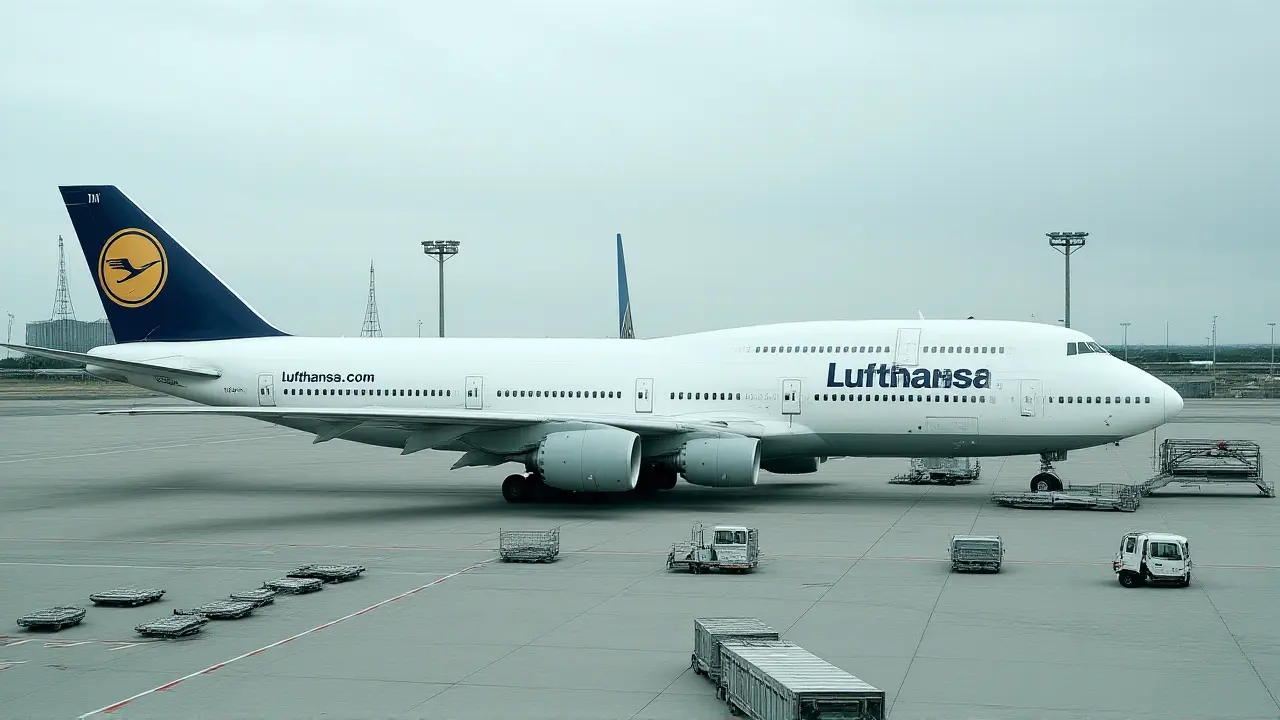
The Bigger Picture and What's Next
This isn't just about a few missed vacations; it's a sign of deeper instability within Europe's largest airline group. By timing their strikes around the Easter break and subsequent travel peaks, the unions are leveraging maximum pressure on the company's revenue and reputation.
The broader implication is clear: the aviation industry is struggling to balance post-pandemic recovery with inflation-driven wage demands. If Lufthansa can't find a middle ground, we could see a prolonged period of instability that makes the current chaos look like a warmup. For now, passengers are advised to check their flight status obsessively before leaving for the airport.
Frequently Asked Questions
Which airports are most affected by the current Lufthansa strikes?
The primary hubs facing the most disruption are Frankfurt Airport (FRA) and Munich Airport (MUC). However, because Lufthansa CityLine crew are also striking, flights are also being cancelled in Berlin, Hamburg, Stuttgart, Cologne, Düsseldorf, Bremen, and Hanover.
What can I do if my Lufthansa flight is cancelled?
Lufthansa is offering affected passengers a one-time free rebooking or a full refund. For domestic flights within Germany, passengers can switch to Deutsche Bahn rail travel at no additional cost, with tickets valid for the day of issue and the following day.
Are all Lufthansa Group airlines striking?
No. Several airlines are remaining operational, including SWISS, Austrian Airlines, Brussels Airlines, Eurowings, Air Dolomiti, Discover Airlines, and Edelweiss. These carriers are expected to fly according to their normal schedules.
Why are the pilots and cabin crew striking at the same time?
Both the Vereinigung Cockpit (pilots) and the UFO (cabin crew) are dissatisfied with Lufthansa's refusal to meet their wage and working condition demands. By striking concurrently, the unions maximize the operational impact on the airline to force management back to the negotiating table.
Gary Clement
April 17, 2026 AT 07:41if anyone is stuck in fra or muc try checking the swiss or austrian options since they are still running. also keep in mind that the db rail alternative is usually way more reliable than the airline promises during a strike so just grab the train ticket early and save yourself the stress
nikolai kingsley
April 18, 2026 AT 09:26абсолюly ridiculous that the company thinks they can just ignore the workers. its a moral failing to treat staff like this while they make millions. lufthansa is just greedy and the passengers are the ones paying the price for this corporate greed
Mason Interactive
April 20, 2026 AT 07:40Man, flying through Germany is always a gamble but this is next level. Definitely a heads up for anyone planning a trip to Europe right now just avoid the LH group entirely if you can.
Antony Bachtiar
April 21, 2026 AT 10:58imagine actually thinking these unions are helping. they just ruin travel for everyone and the company is just acting normally. lufthanssa just needs to fire them all and hire people who actually want to work lol
Gary Clement
April 23, 2026 AT 04:35actually the unions have some valid points regarding inflation and cost of living increases since 2020
Josh Raine
April 24, 2026 AT 06:52The existential dread of being trapped in a hub airport is a microcosm of the larger societal collapse of labor relations. We see the dialectic between the proletariat cabin crew and the bourgeois management reaching a boiling point. Why does the corporate entity believe that a "low margin" justifies the erosion of the worker's quality of life? It is an absurd paradox where the service industry is expected to maintain luxury standards while the providers are paid subsistence wages. This is not just a strike, it is a scream for visibility in a system that views humans as mere line items on a balance sheet. The psychological toll of being "stranded" is nothing compared to the daily grind of feeling undervalued. It is truly a systemic failure of the highest order 🙄
Shelley Brinkley
April 25, 2026 AT 08:41imagine being a pilot and still complaining about money lol get a real job. these unions are just power tripping and lufthansa is just letting them do it because they are too weak to manage their own staff
Beth Elwood
April 26, 2026 AT 09:06Pro tip: If you are rebooking, try to get on a flight via Zurich instead of Frankfurt. It's often much quieter and the SWISS crews are way more helpful during these chaos windows! ✈️🌍🙌
Angie Khupe
April 26, 2026 AT 18:17I really hope they find a middle ground soon so everyone can get home safely 😊
Alex Green international
April 27, 2026 AT 06:39It is quite unfortunate that the travelers are caught in this crossfire. I believe the most professional path forward is for both parties to acknowledge the validity of the other's constraints
Sharath Narla
April 27, 2026 AT 19:23Oh great, another day of German efficiency. Truly a masterpiece of logistical planning
Paul Smith
April 29, 2026 AT 07:35I think it is just so wonderful that they are offering the Deutsche Bahn rail option because even though it takes longer it is actually a great way to see the countryside and it shows that there is always a way forward if we just stay positive and look at the bigger picture of European connectivity and support for workers rights across the globe!
Mel Alm
April 30, 2026 AT 10:27just tried to call the helpline and it was a total nightmare. lufthnsa really needs to fix their customer service when things go south
Nikita Roy
May 2, 2026 AT 05:39everything will be fine soon hope everyone gets home safe
Aaron X
May 4, 2026 AT 03:44This situation is a textbook example of asymmetric information and market failure. The utility function of the passenger is being completely disregarded in the game-theoretic struggle between the union and the firm. We are witnessing a Pareto inefficiency where the cost of the strike is being externalized onto the consumer. The operational equilibrium is shattered because the labor supply curve has shifted abruptly due to the dual-strike synergy. It's a fascinating case of systemic fragility in a hub-and-spoke network where the failure of a single node-the human element-cascades into a total network collapse. The marginal cost of a settlement is likely lower than the aggregate loss of reputation and revenue, yet the firm persists in a suboptimal strategy based on an outdated austerity paradigm. The synergy between the UFO and VC unions creates a strategic bottleneck that the company cannot bypass without significant capital reallocation. Ultimately, the structural rigidity of the corporate hierarchy is preventing a dynamic response to a volatile labor market. This is the inevitable result of prioritizing short-term EBITDA over long-term operational resilience.