
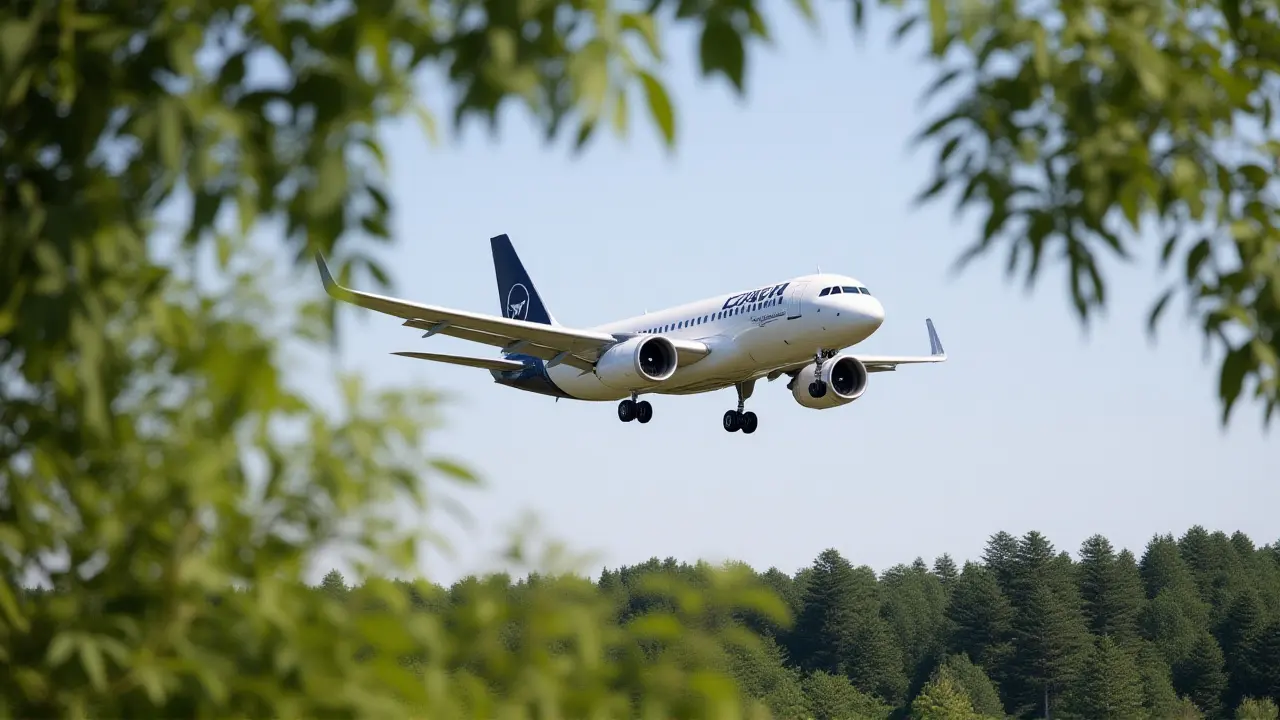
Travelers flying long-haul from Europe are facing a sudden, sharp increase in ticket costs as the war with IranMiddle East, which erupted on February 28, 2026, sends shockwaves through the global oil market. According to new data, the disruption in oil supplies has pushed the average fuel cost up by €88—roughly $104—for every single passenger on long-distance flights departing from the continent. It's a bruising blow for vacationers and business travelers alike, arriving just as the industry prepares for the busy summer rush.
The numbers come from a detailed analysis by Transport & Environment (T&E), an aviation campaign group that tracks the industry's environmental and economic footprint. By comparing fuel pricing on April 16, 2026, to the pre-war rates from late February, T&E found a direct and punishing correlation between geopolitical instability and the price of jet fuel. While long-haul journeys are taking the hardest hit, shorter trips aren't off the hook; flights within Europe have seen an average fuel cost increase of €29 per person.
Here's the thing: these aren't just abstract numbers on a spreadsheet. They translate directly into the price of a plane ticket. The study, released on April 21, 2026, highlights how specific routes are feeling the pinch. For instance, a quick jump from Barcelona to Berlin now costs an extra €26 in fuel per passenger. But for those crossing the Atlantic, the numbers get staggering. A trip from Paris to New York is seeing fuel costs jump by as much as €129 per seat. (Interestingly, some reports have cited a lower €29 increase for this route, suggesting a bit of chaos in how these volatile figures are being reported).
The Oil Crunch and Market Volatility
The root of the problem is simple but dangerous. Jet fuel prices have surged well over $100 per barrel since the conflict began, climbing from a pre-war average of approximately $99. While a few dollars might not sound like much to a casual observer, in the world of aviation—where planes burn thousands of gallons of fuel per hour—it's a massive financial burden. Turns out, the market is reacting not just to the actual loss of oil, but to the fear of what happens if the Strait of Hormuz remains closed.
The Strait of Hormuz is essentially the world's oil jugular. If it's blocked, a huge percentage of the world's petroleum cannot reach the open sea. For airlines, this isn't just about the price per barrel; it's about availability. There's a growing, quiet anxiety among industry insiders that we aren't just looking at expensive tickets, but potential fuel shortages that could lead to widespread flight cancellations. That's a nightmare scenario for an industry already struggling with staffing levels.
How Airlines Are Passing the Bill to You
Airlines aren't planning to absorb these losses. Back in March 2026, executives from some of the biggest names in the sky—Lufthansa, Ryanair, and Air France-KLM—made it clear that consumers would be footing the bill. The strategy is twofold: direct ticket price hikes and "sneaky" additions.
Many carriers have already started implementing fuel surcharges—essentially a fee added to your ticket to cover the volatile cost of oil. Others are taking a more indirect route, raising checked bag fees to recoup the margins. It's a frustrating reality for travelers who already feel the pinch of inflation. The twist is that these increases are likely just the first wave. If the war drags on or the supply chain breaks further, the prices we're seeing now might look like a bargain.
Key Facts at a Glance
- Long-haul fuel increase: Average of €88 ($104) per passenger.
- Intra-Europe fuel increase: Average of €29 per passenger.
- Current Jet Fuel Price: Exceeding $100 per barrel (up from $99).
- Critical Choke Point: Closure of the Strait of Hormuz driving volatility.
- Primary Carriers Affected: Lufthansa, Ryanair, and Air France-KLM.
Broader Implications for Global Travel
This situation highlights how fragile the global travel infrastructure remains. When a conflict breaks out in the Middle East, the ripple effects are felt in Paris, New York, and Berlin almost instantly. This isn't just about the cost of a holiday; it's about the economic viability of long-haul trade and diplomacy. Experts suggest that we may see a shift in flight patterns, with airlines cutting less profitable long-haul routes to save on fuel.
Moreover, this price spike puts a paradoxical pressure on the industry's green goals. While high fuel costs theoretically encourage airlines to switch to Sustainable Aviation Fuel (SAF), the immediate financial crisis often forces them to prioritize short-term survival over long-term sustainability. The environmental cost of this conflict, therefore, extends beyond the battlefield.
What to Expect in the Coming Months
As we move into the summer of 2026, passengers should expect continued volatility. The airline industry's response will likely move from "surcharges" to permanent price adjustments. We may also see more airlines offering "fuel-lock" options or flexible booking fares to protect themselves from sudden price swings. The real wild card remains the geopolitical resolution: until there's a clear path toward reopening oil transit routes, the price of flight will remain a gamble.
Frequently Asked Questions
Why is the war in Iran affecting flights in Europe?
The conflict disrupts the global supply of crude oil, which is the raw material used to produce jet fuel. Because the aviation industry relies on a globalized supply chain, instability in oil-rich regions leads to higher prices for fuel regardless of where the plane is flying.
Will ticket prices go down if the conflict ends?
Typically, yes, as supply stabilizes and risk premiums drop. However, airlines often keep prices higher for a period to recover losses sustained during the crisis, and permanent structural changes in oil pricing may keep costs elevated compared to 2025 levels.
What is the "Strait of Hormuz" and why does it matter?
The Strait of Hormuz is a narrow waterway between Oman and Iran. It is the most important oil chokepoint in the world; if it is closed or contested, a massive portion of the world's oil cannot reach markets, causing prices to skyrocket globally.
How can I avoid these new fuel surcharges?
Unfortunately, fuel surcharges are usually mandatory and built into the ticket price. Your best bet is to book as early as possible or look for carriers that haven't yet implemented these fees, though major airlines like Lufthansa and Ryanair are already moving in this direction.
Gary Clement
April 23, 2026 AT 10:53it is pretty standard for airlines to hedge their fuel costs months in advance so some of these spikes might not hit every carrier immediately depends on their hedging strategy
Antony Bachtiar
April 23, 2026 AT 22:38lol as if we didnt see this coming... airline's just use any excuse to rob us blind. probablly were already raising prices before the war even started just to see what they could get away with
Mel Alm
April 23, 2026 AT 23:50this is so unfair to people who already paid for there trips 😭
nikolai kingsley
April 24, 2026 AT 08:09absulutely disgusting that we just pay for the greed of oil magnates who thrive on war and death just to fly to some beach
Aaron X
April 25, 2026 AT 12:08The systemic fragility of the global supply chain is laid bare here. We are witnessing a classic case of exogenous shocks amplifying the volatility of a highly leveraged industry. The reliance on the Strait of Hormuz represents a critical failure in geopolitical diversification. When the marginal cost of fuel fluctuates so wildly, the resulting price elasticity of demand for long-haul travel will inevitably lead to a contraction in global mobility. It's not just a pricing issue; it's a structural vulnerability in our globalized economic architecture that prioritizes efficiency over resilience.
Shelley Brinkley
April 25, 2026 AT 12:11T&E data is probly skewed anyway who knows where they get these numbers
Beth Elwood
April 26, 2026 AT 02:45I've been tracking these surcharges on a few different sites and it's crazy how quickly they appear ✈️💰 definitely check your booking confirmations for new hidden fees! 📉
Anirban Das
April 27, 2026 AT 02:59just another day of everything getting more expensive :/
Dianna Knight
April 28, 2026 AT 08:50This is a tough situation for many families trying to travel. Maybe we can look into more sustainable regional travel options while things stabilize? It's all about finding a new equilibrium in our travel habits 🌿✨
Priyank Prakash
April 29, 2026 AT 01:29OH MY GOD 😱 a hundred dollars more?! This is absolutely INSANE! I can't believe we're just supposed to sit here and take this while the airlines make billions!! Absolute madness!! 🤯🔥
Mason Interactive
April 29, 2026 AT 16:01Man, I've always felt that the aviation industry was way too dependent on a few key chokepoints. It's wild how a conflict in one region hits your wallet in the US or Europe almost instantly.
Josh Raine
May 1, 2026 AT 07:20Why are we even still flying these massive gas-guzzling planes in 2026? 🙄 It's like we refuse to evolve until the planet literally burns down. This whole situation is a symptom of a deeper pathology in how we view growth and travel. We're just addicts to the convenience of long-haul flights and now we're paying the price-literally. 😡
Raman Deep
May 2, 2026 AT 16:31hope things get better soon for everyone 🤞🙏
Mayank Rehani
May 2, 2026 AT 18:45The operational overhead for these carriers is reaching a tipping point. If they implement dynamic pricing based on real-time fuel indices, we might see even more volatility in ticket costs.
shrishti bharuka
May 4, 2026 AT 03:31Oh great, another way for airlines to 'help' us by taking more of our money. Truly a miracle of modern economics.
Alex Green international
May 5, 2026 AT 21:31It is indeed a difficult period for all involved and I believe we must remain patient during these transitions
Anamika Goyal
May 6, 2026 AT 21:49I wonder if this will actually lead to a faster adoption of electric planes for shorter routes? It seems like the only logical way to decouple travel from oil politics.
Prathamesh Shrikhande
May 8, 2026 AT 09:46Feeling the pain with everyone on this 😔💔
Angie Khupe
May 9, 2026 AT 07:51I hope both sides can find a way to peace soon so we can all travel again without the stress 😊❤️
sachin sharma
May 9, 2026 AT 08:43just keeping an eye on things and staying chill. everything fluctuates eventually